
My story: why this topic matters to me
Running has been a part of my life for as long as I can remember. It started in school, as a way to train for various sports, and quickly became something more. Through my university years, I was drawn to the thrill of adventure triathlons – the combination of kayaking, biking, and 15 to 25 kilometers of trail running was the perfect outlet for my energy. That phase transitioned into a period of more structured road racing, and I eventually completed five full marathons. But through all those phases, the main motivation was simple: staying fit. I ran in all forms, on all surfaces, and for all kinds of reasons.
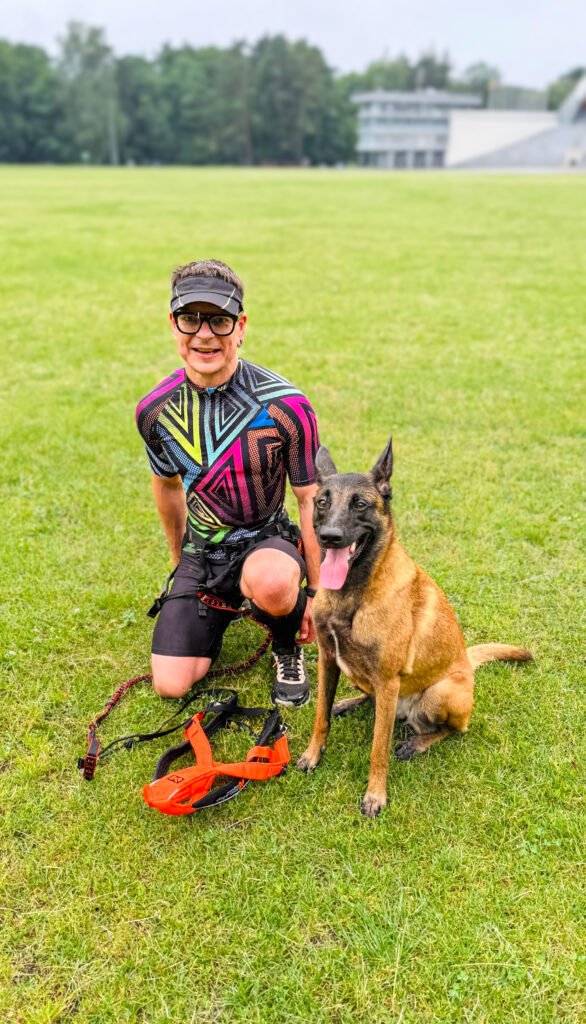
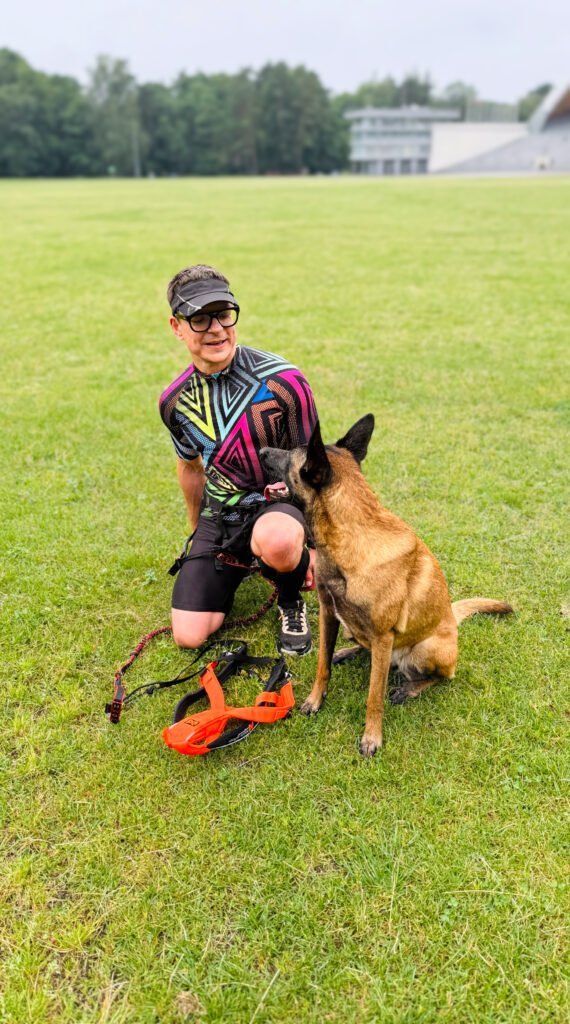
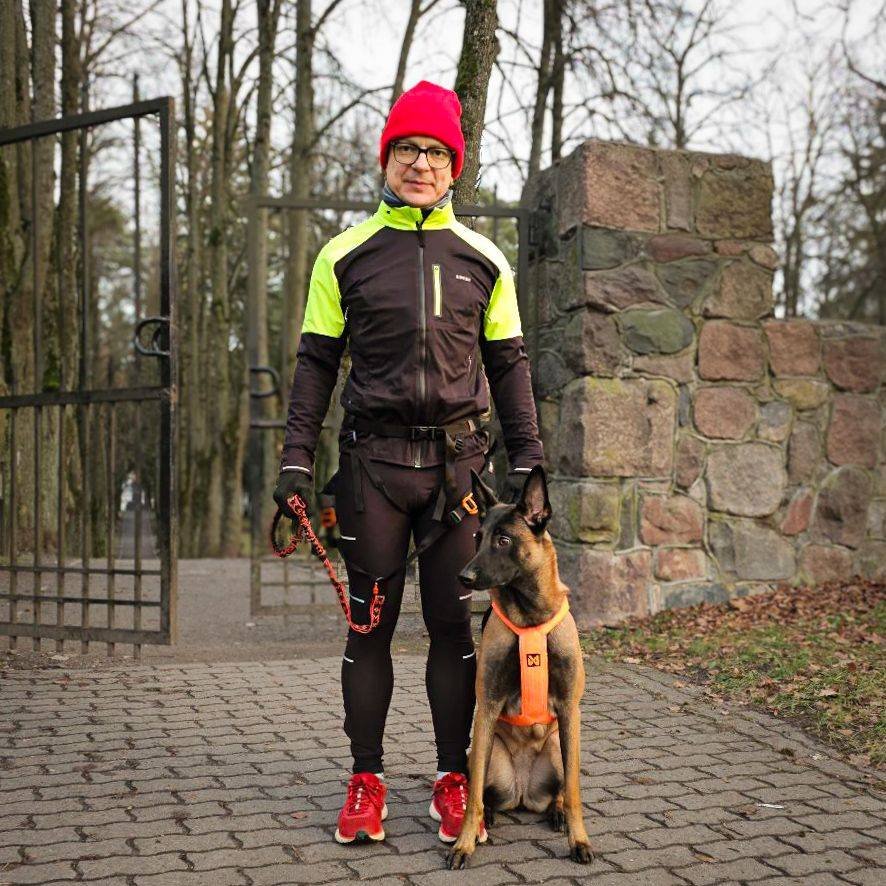
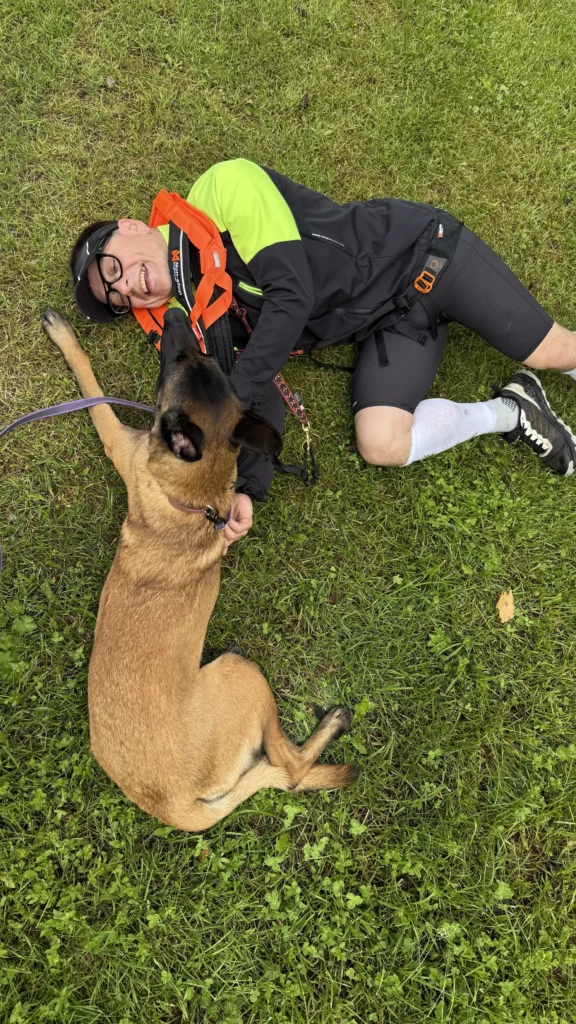
That changed again when a Belgian Malinois joined my life. Suddenly, I had a partner who loved running even more than I did. We started training canicross together, and while we haven’t entered formal competitions (yet), we take our sessions seriously. Running became not just fitness, but a shared activity, a kind of bonding.
With all that background, I felt like I knew a lot about running and how to train. I’ve run on more pavement than I can count, but also spent hours on forest trails, gravel roads, and everything in between. And still, I kept wondering: what impact do these surfaces really have on our bodies? Are trails easier on joints? Is pavement as bad as many say?
Over the years, one thing became clear to me: most joint problems I saw in myself and fellow runners weren’t caused by surface type. They came from overtraining and poor recovery. We pushed beyond what our bodies could handle, didn’t allow enough time to adapt, and eventually broke the balance our bodies depend on. That impression stayed with me and is what inspired this post.
I wanted to take a closer look at the science and the evidence, both for humans and for dogs. It’s time to bust a few myths and share what we actually know about the impact of running on trails vs pavement.
Hard vs soft ground: is there a clear winner
While it might seem obvious that harder surfaces like asphalt or concrete would be harsher on joints, scientific evidence suggests the difference in impact force compared to softer trails is surprisingly small. For example, one study found only a minor difference in peak impact acceleration between concrete (≈1.35g) and grass or track (≈1.30g), a difference too small to have clear clinical significance. Runners instinctively adjust their biomechanics to soften landings on harder ground, and large studies show no higher rates of joint degeneration among road runners.
In fact, large human studies find no increase in arthritis from road running – active marathoners had about half the knee/hip arthritis prevalence of the general population. Part of the reason is that we instinctively adjust to the surface: on hard pavement we “bend more” (reduce leg stiffness) to absorb shock, whereas on soft trails we naturally run stiffer. This automatic springy action plus muscle tuning largely protects our joints on any surface.
Trails demand more muscular coordination and burn more energy. A University of Michigan lab found that rough, uneven terrain makes runners expend roughly 28% more energy per step than on flat ground. The varied footing forces you to adjust stride, balance, and elevation constantly, engaging stabilizers. This can strengthen ankles, legs, and core – but it also means more risk of acute missteps. Indeed, research notes different injury patterns: trail running tends to cause more sprained ankles or foot twists (from uneven ground), while road running sees more chronic knee or hip overuse injuries. One preliminary study even suggested that habitual road runners may face greater overall injury risk than trail runners, perhaps because paved kilometers are mind-numbing and repetitive.
How surface affects tendons and joints
Trail terrain (especially hilly, uneven trails) shifts the stress on tendons. Uphill running typically forces a mid/forefoot strike and loads the Achilles tendon more, whereas downhill running induces heel striking and higher patellar (knee) tendon loads. Correspondingly, a recent ultrasound study found that dedicated trail runners had significantly thicker Achilles tendons than road-only runners. This suggests their tendons adapt to the uphill and rough conditions by hypertrophy and extra strength. (By contrast, the patellar tendon showed no size difference between groups in that study.) In summary, trails often train the calf/Achilles more (useful for hills), while roads subject the knees to repeated loading. In both cases the body adapts over time – stronger tendons and muscle support can actually protect joints from injury.
Despite these biomechanical shifts, numerous studies conclude that moderate running itself builds joint resilience. For example, marathoners who ran hundreds of kilometers weekly showed a low knee/hip arthritis rate (≈8.9%) – far below the general population’s ~18%. No significant link emerged between mileage and arthritis in that study. In other words, road running did not “wear out” these athletes’ joints. Even experiments on dogs bear this out: one treadmill study found that after 15 weeks of moderate running, beagles’ knee cartilage actually thickened (a healthy adaptation), and even 1–2 years of very heavy running only reduced cartilage thickness slightly – still with no joint injuries observed. In short, healthy joints tend to adapt by strengthening under exercise, whether on pavement or trail, so long as intensity and volume are reasonable.
Dogs and running surfaces
Dogs are built differently than humans, so we have little direct data on “pavement vs trail” for them. As one expert notes, virtually no formal research has been done on how surfaces affect canine joints. Most advice comes from analogy and experience. Canine paw pads cushion impacts well, and dogs don’t twist ankles like people do, so uneven trails pose less ligament risk for them. In fact, many active dogs handle pavement quite well once conditioned. For example, flexible dog paw pads adapt over time, and digitigrade running distributes forces differently than our plantigrade feet. Treadmill trials in dogs are encouraging: moderate daily running (e.g. 5 kilometers/day) increased cartilage thickness, and even very high endurance (up tenths of kilometers/day for a year) only reduced cartilage modestly, with no overt injuries. This suggests healthy dogs can handle a lot of running without joint damage – the downsides of pavement seem subtle.
That said, hard ground can still affect dogs in specific ways. The biggest issue is feet, not bones: rough asphalt will abrade paw pads and wear nails quickly. Owners report scorched pads on hot pavement and nails ground down. To prevent this, condition your dog’s paws gradually (short runs on hard ground at first) or use protective booties if needed. Importantly, dog booties protect pads but offer little spring for joints (unlike cushioned shoes for humans), so overall impact loads are not greatly reduced by booties. For joints, age and breed matter: giant and large-breed dogs have heavier joints and more ligament issues, so vets often caution them to avoid excessive hard-surface mileage. Small and fit dogs with tough pads frequently run on pavement without problems, but signs of limping or reluctance should prompt a switch to softer trails and rest.
Practical takeaways for runners and dog owners
- Mix It Up: No single surface is “best.” Humans (and dogs) benefit from varying terrain. Soft trails reduce repeated jolts on the knees, while occasional pavement running builds stamina and conditions feet. Alternating surfaces gives the body comprehensive adaptation.
- Embrace Shock Absorption: Remember that runners instinctively adjust leg stiffness when changing ground. Taking it easy for a minute when transitioning (short warm-up step on new surface) helps your muscles fine-tune that adaptation.
- Monitor Tendon Load: Uphill trail segments toughen the Achilles (so you may feel calf soreness), whereas long flat/downhill running tends to load the knees. Stretch and strengthen both areas. Over time, these stresses usually make tendons more robust.
- Protect Paws and Joints: For dogs on pavement, do pad-conditioning walks or use booties during initial training. Check pads and nails frequently. Avoid long runs on hot asphalt. For both you and Fido, increasing mileage gradually is key – ramp up pace and distance slowly to avoid overload.
- Watch for Warning Signs: Because trail running is more unpredictable, be alert to acute injuries (e.g. rolled ankles for you, cuts for your dog). Conversely, if running dozens of road kilometers per week causes knee or hip discomfort, consider more trail days or cross-training. In general, current evidence shows no inherent need to fear pavement – many studies find that regular runners (even on asphalt) have fewer joint problems than couch potatoes. But every body is different. Pay attention to any stiffness or limping, and adjust surfaces accordingly.
In summary, both paved and unpaved runs have pros and cons for joints and tendons. Trails demand more effort and engage stabilizing muscles (and, for dogs, condition tendons via hills), while roads offer predictability and consistent footing. Data from humans suggest that moderate running on any surface generally strengthens joints rather than hurts them. We simply absorb the differences via biomechanics. For our canine companions, the rule of thumb is the same: a well-conditioned dog can handle pavement without clear harm, but owners should proceed mindfully. Mix in soft ground for recovery, keep volumes sensible, and focus on form and conditioning. With those precautions, enjoying the joy of the run – whether on asphalt or in the woods – will keep both you and your dog healthy for the long trail ahead.
References and further reading


Leave a Reply